We are currently making improvements to our website, please excuse any layout/design snags while we make these changes!
Gaab Lab
Welcome to the Gaab Lab!
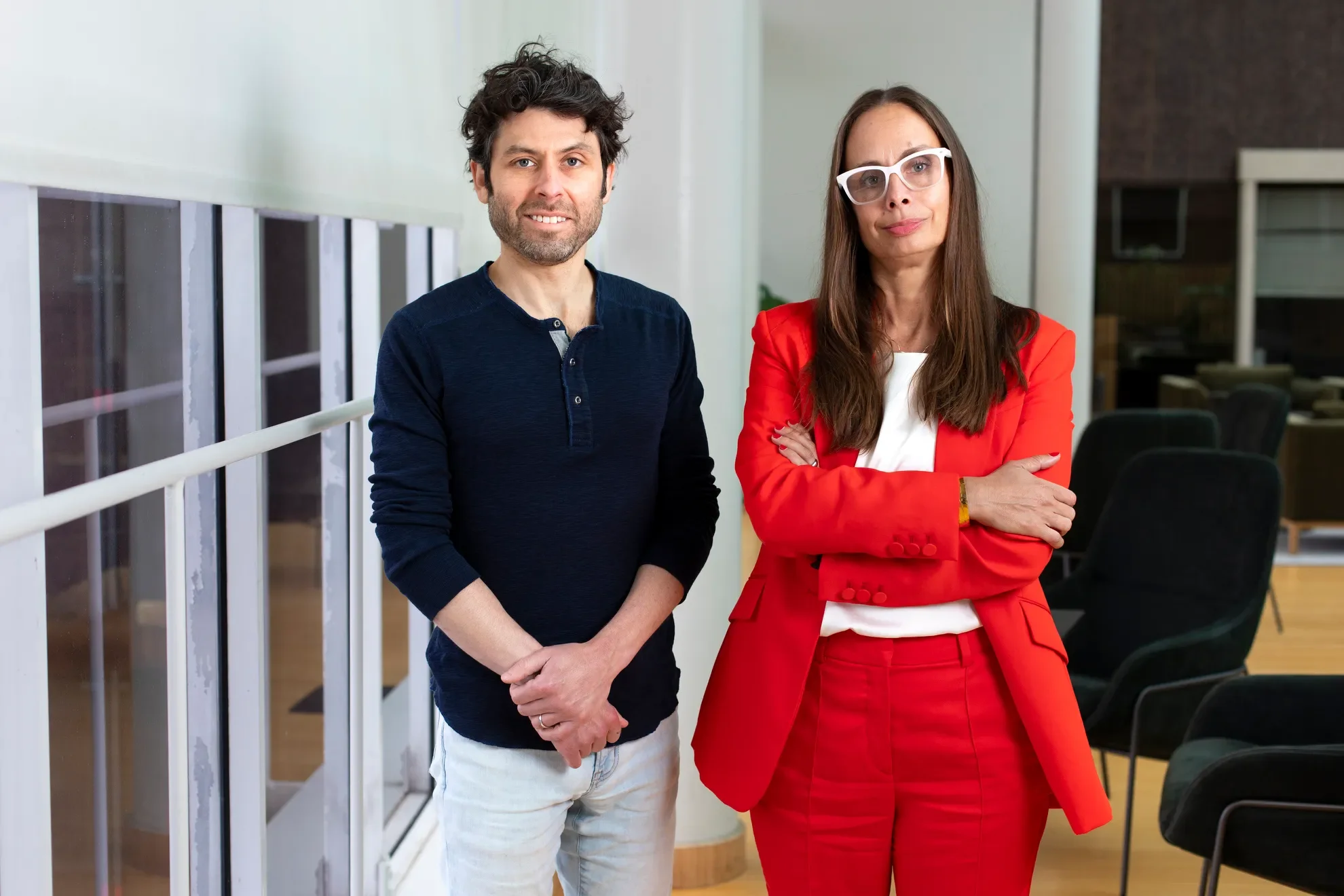
Our lab at the Harvard Graduate School of Education investigates how people learn and develop from infancy to adulthood, with a focus on language and reading. Using behavioral and neuroscience methods, we study how learning abilities and disabilities develop over time, and use these insights to inform education policy and create global impact.
Hover/tap below to learn more about us!
Neuroscience
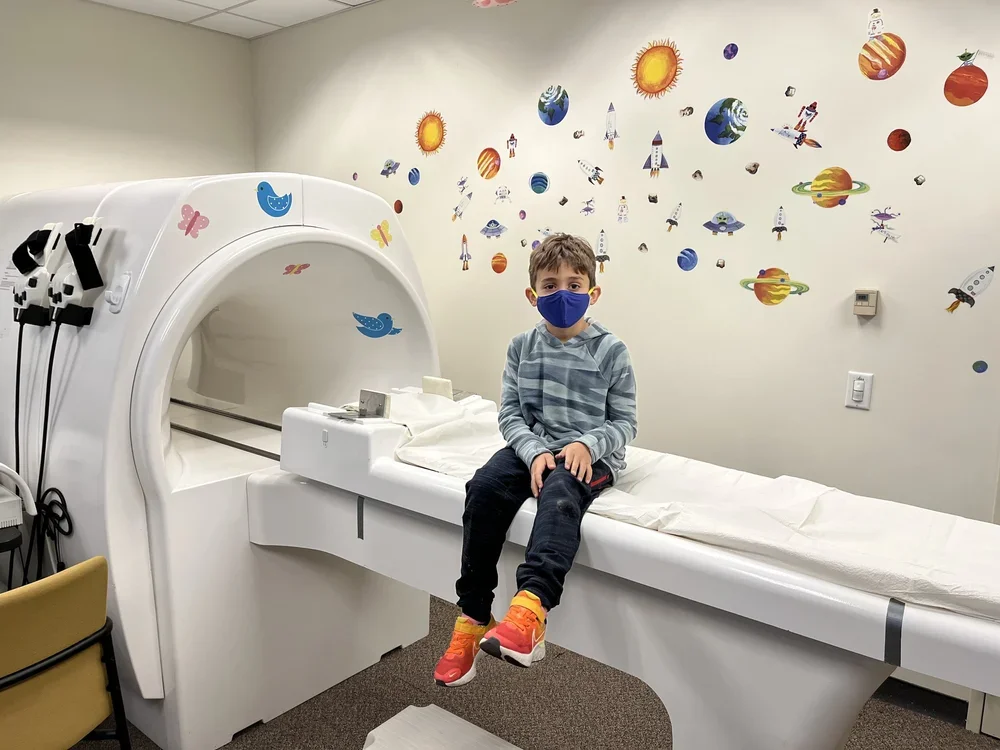
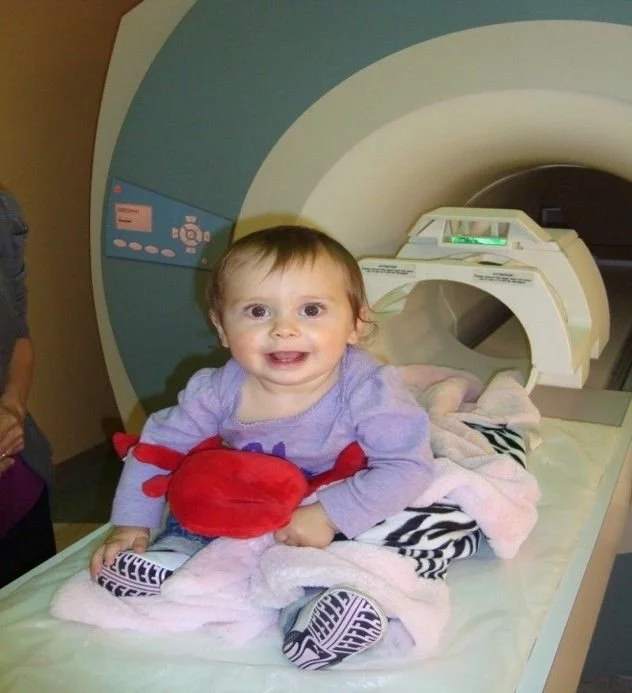
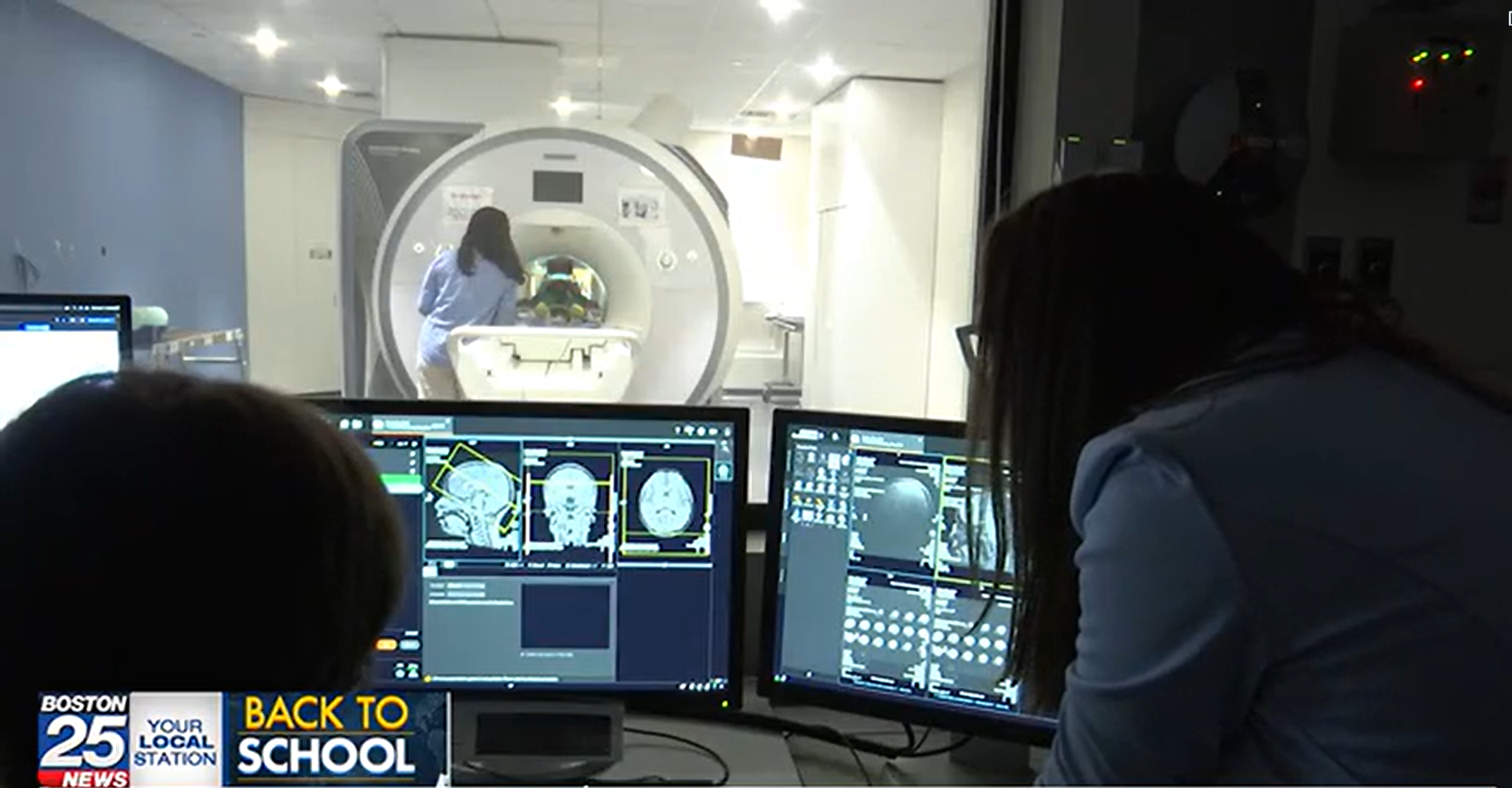
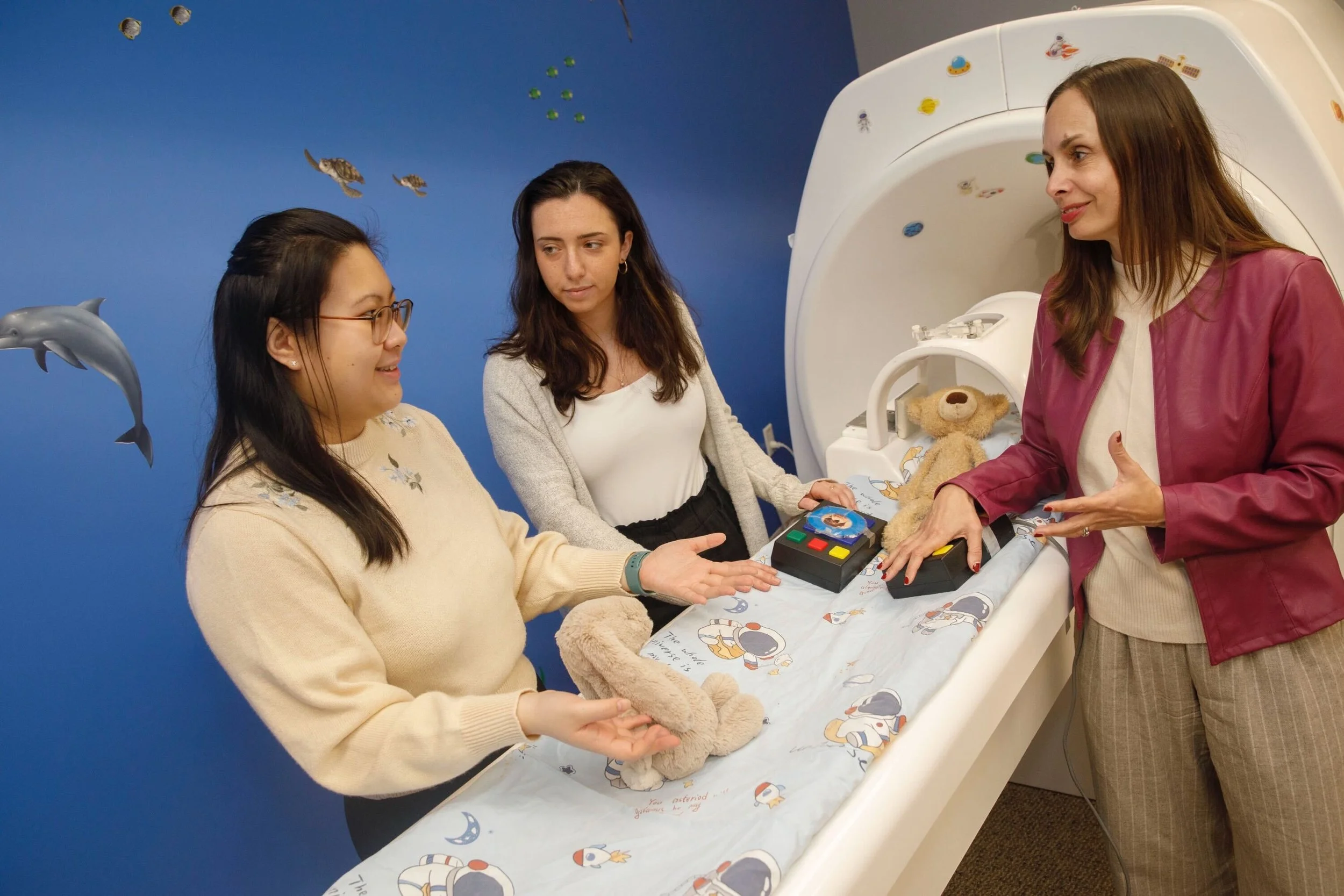
We study how language and reading skills/difficulties develop from birth through adolescence using longitudinal brain imaging. By combining comprehensive, age-appropriate language and reading assessments with neuroimaging, we examine the neurobiological, behavioral, and environmental factors that contribute to, or protect against, language-based learning disabilities.
Neuroscience
Learning (Dis)abilities
Our research focuses on identifying factors that contribute to learning disabilities and developing frameworks to explain learning differences, including both risk and protective factors, across early childhood. Our work emphasizes early identification of at-risk children through accessible literacy screening tools, advocating for the concept of ‘preventative education’.
Learning (Dis)abilities
Policy, Outreach, and Impact
We translate our research into systems-level, actionable change in practice and policy. This includes creating accessible EdTech tools for early literacy screening in schools and at home, and actively sharing our findings with community members, including policymakers, education leaders, teachers, and advocacy groups.
To read more about our literacy screening tools, please see Screening for Reading Impairments.
Policy, Outreach, & Impact
Lab Bulletin Board
Lab News
Along with tenure at the Harvard Graduate School of Education (HGSE), Dr. Gaab recently was recently awarded the title of Silvana and Christopher Pascucci Professorship in Learning Differences!
From HGSE, regarding this award: “The Silvana and Christopher Pascucci Professorship in Learning Differences, held most recently by the late Thomas Hehir, is bestowed upon a faculty member whose work focuses on overcoming barriers related to learning differences and special education and whose interdisciplinary approach to teaching and research results in solutions that impact practice and policy.”
Huge CONGRATULATIONS to our Principal Investigator Nadine Gaab on being promoted to Professor of Education with tenure here at HGSE! We are all so incredibly proud of all of the hard work and dedication it took to get to this position, and we look forward to the bright future of the Gaab Lab!
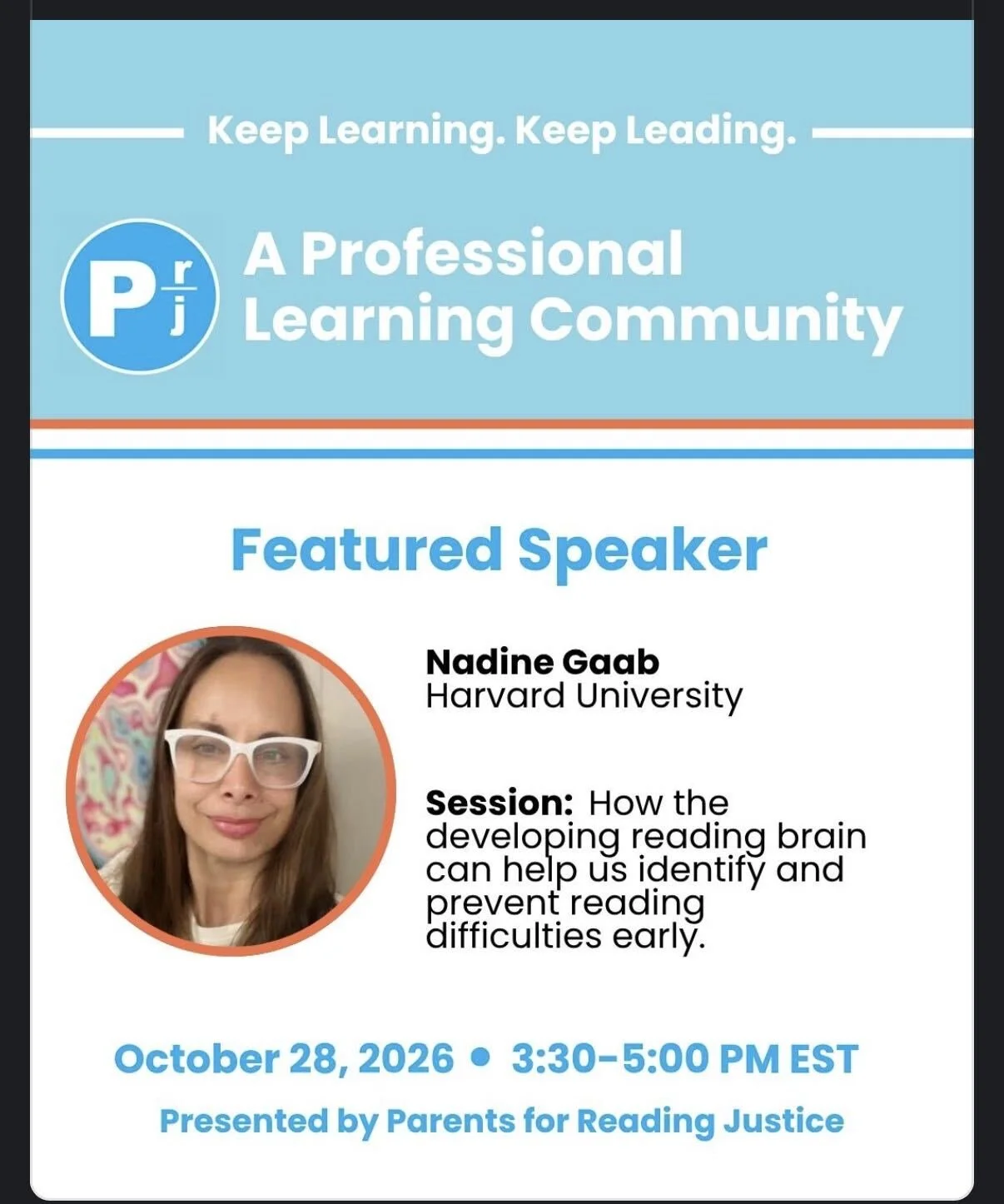
In this webinar targeted to parents, caregivers, and educators of elementary school students, Nadine Gaab, Ph.D., Professor of Education at the Harvard Graduate School of Education, will give an overview of the typical milestones of and the brain regions involved in literacy development.
Organized by HILL for Literacy, we will explore a number of important topics around a central topic: literacy is a public health imperative.
Dyslexia is the most common learning disability affecting children, but what does the research actually tell us about how to identify and support students with dyslexia in practice? In this episode, Phil Capin will moderate a discussion with leading scholars Nadine Gaab (Harvard Graduate School of Education) and Tim Odegard (Middle Tennessee State University), exploring how the science of reading can inform effective supports for students with dyslexia across grades and contexts.
Register Here: https://calendar.gse.harvard.edu/en/36YmkP6/g/B9wfbV2eNN/ep-2-supporting-students-with-dyslexia-5a5YUc2KTj3/overview
A Conversation with Dr. Nadine Gaab, Professor at the Harvard Graduate School of Education
This is an essential session for special education teachers, administrators, school psychologists, and related service providers seeking to deepen their understanding of the science of reading and ensure that intervention starts the moment a need is identified.
Dr. Gaab presented at UMass Amherst Cognition and Neuroscience program’s colloquium series on December 3rd.
Join Dr. Gaab’s seminar at The American Speech-Language-Hearing Association (ASHA) 2025 Annual Conference in Washington, DC on November 20th at 10:30am!
DyslexiaCon 25 will be hosted in person October 23-25 and on IDA TV as on-demand recordings November 7, 2025. The 3-day Conference will feature the General Opening Session and Symposia from 8 am (EST) to 6 pm (EST) each day with dedicated hours for the IDA Exhibit Hall. Throughout the conference, there will be unlimited opportunities to deepen your knowledge of structured literacy, reading instruction, research, and advocacy.
34th Annual Japan Academy of Learning Disabilities Conference in Tokyo, Japan
Dr. Gaab visited Hiroshima University and presented a graduate seminar and lecture as part of the International Lecture Series in the Department of Education.
“On July 1, 2025, in the second session in CGLR’s Technology-Enhanced Teaching and Learning Institute, panelists explored the evolution of “assistive technology” that has longed been used to enhance and enable instruction for children who learn differently due to neurodivergence and other conditions affecting knowledge acquisition. Education technology (EdTech) for students with learning differences has come a very long way, and schools across the United States saw an influx of EdTech in the wake of the pandemic aimed at accelerating equitable learning recovery.”
Learning to read is a significant milestone in a child's life, linked not just to academic success, but also to future opportunities and overall well-being. This talk is designed to help parents understand the stages of reading development that children typically go through, from recognizing letters to understanding complex text. We'll explore how different parts of the brain work together to make reading possible, and delve into how the environment at home and in a child's community can greatly support a child's literacy journey. We will further discuss what reading disabilities are, how we can spot early signs, and why early identification is so important. Finally, we will talk about how we can work together as parents, teachers, and community members to create a supportive environment that nurtures a love for reading. Through collaboration and shared resources, we can help make reading an enjoyable and fulfilling experience for every child.
Join us at the Manitoba Museum (Auditorium) for an insightful event with an online synchronous session with Dr. Nadine Gaab. Learn about dyslexia, screening methods, and how language-literacy skills play a crucial role. This blended (online and in-person) event is a fantastic opportunity to expand your knowledge and engage with experts in the field. Don't miss out on this informative session!